Blog

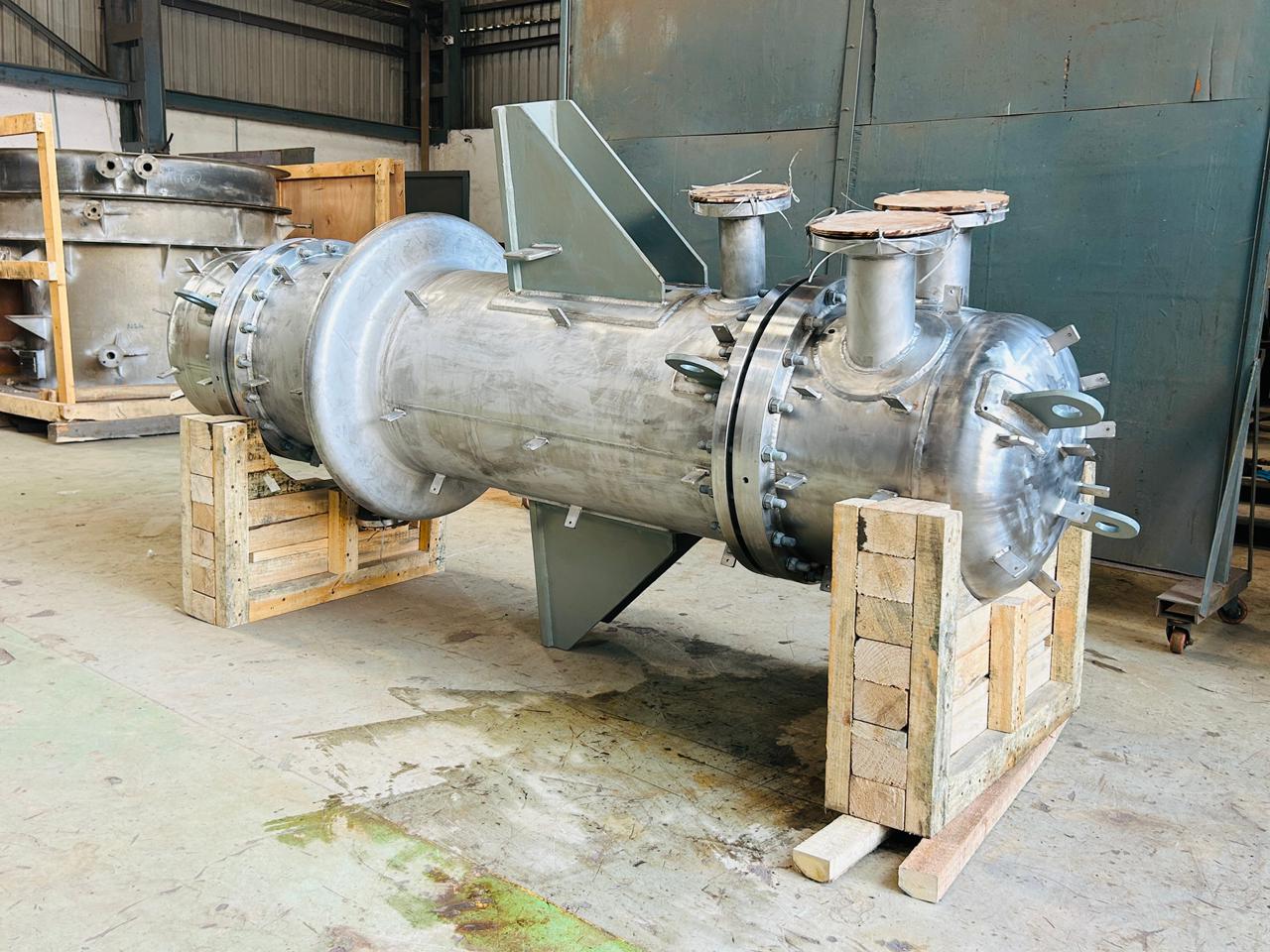
Caustic Soda Plant – Titanium Grade 2 Anolyte Tank

Caustic soda also known as sodium hydroxide, is an important chemical used in many industries around the world, including textiles, paper, and water treatment.  The chlor-alkali process is used to manufacture it. In this process, brine (salt water) is broken down into chlorine, hydrogen, and caustic soda. A critical component in this process is the Anolyte Tank which handles chlorine-rich solutions coming from the anode side of the electrolyzer. Because this environment is highly corrosive,...
Read More

Tantalum Heat Exchangers for Hydrochloric & Sulphuric Acid Pickling Applications

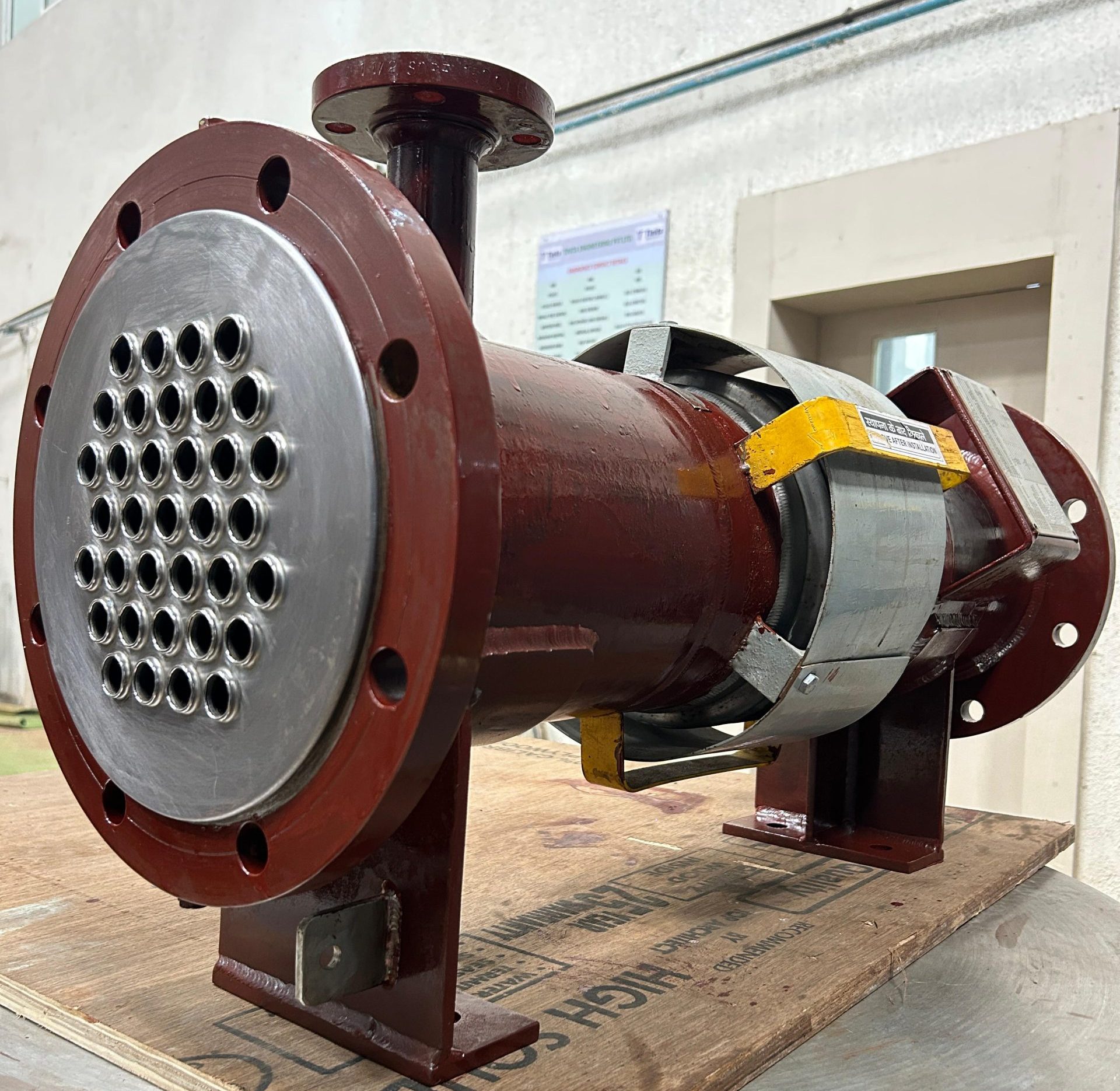
Tantalum heat exchangers play an important role in acid pickling systems that deal with highly corrosive media like hydrochloric acid (HCl) and sulfuric acid (H₂SO₄). Tinita Engineering Pvt. Ltd. manufactures these high-performance heat exchangers for acid picking for environments where regular metals don’t perform well. Due to its excellent corrosion resistance and thermal stability tantalum heat exchangers deliver long service life and efficient performance in demanding industries. T...
Read More

Chlorine Recuperators: Essential Equipment for Chlor-Alkali & Caustic Soda Plants

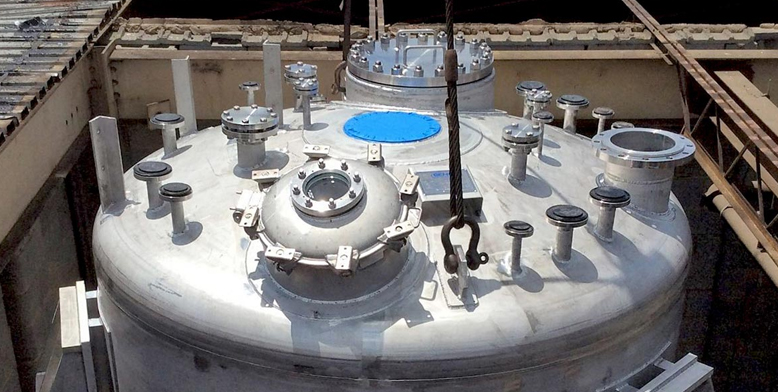
Chlorine recuperators are specialised heat exchangers that capture and reuse chlorine from industrial gases. By recovering this important resource these units decrease emissions, improve energy efficiency and minimize operational costs. Chlorine recuperators are important parts of operating a business in a way that is environmentally friendly and cost effective. Selecting the right chlorine recuperator manufacturer guarantees reliable performance, advanced design and materials suitable for handl...
Read More

5 Common Challenges in Pressure Vessel Fabrication (And How Tinita Solves Them)

Chemical, oil and gas, petrochemical, electricity and pharmaceutical industries all rely heavily on pressure vessels. They store and handle gases, liquids, and chemicals under high pressure and temperature. Because of the critical role they play, the fabrication process must be precise, safe, and compliant with strict standards. However, pressure vessel manufacturing is not simple.  It requires intricate design, meticulous material selection, and regulatory compliance.  A minor error might res...
Read More

How Petrochemical Companies Benefit from Zirconium Reactors

The petrochemical industry runs on tough processes. Plants deal with corrosive chemicals, high temperatures, and nonstop reaction cycles. These conditions put extreme pressure on equipment. Standard materials wear out fast, leading to safety risks, product contamination, and high maintenance costs. This is where Zirconium reactors come in. These reactors are designed to handle strong acids and harsh conditions that break down common metals. Petrochemical industries offer a safe, reliable, and lo...
Read More

How to Select the Right Reactor Material for Corrosive Environments

Reactor material selection is one of the most important choices in chemical, petrochemical, oil & gas, and pharmaceutical plants. The wrong choice can cause equipment failure, safety risks, higher maintenance, and unplanned shutdowns. These problems quickly increase operating costs and can even lead to product contamination. A well-planned approach saves time, money, and lives. The goal of this blog is to guide industries in choosing the right reactor type and material for corrosive environm...
Read More

Tantalum Heat Exchanger for Bromine Plants – Precision-Engineered for High Performance

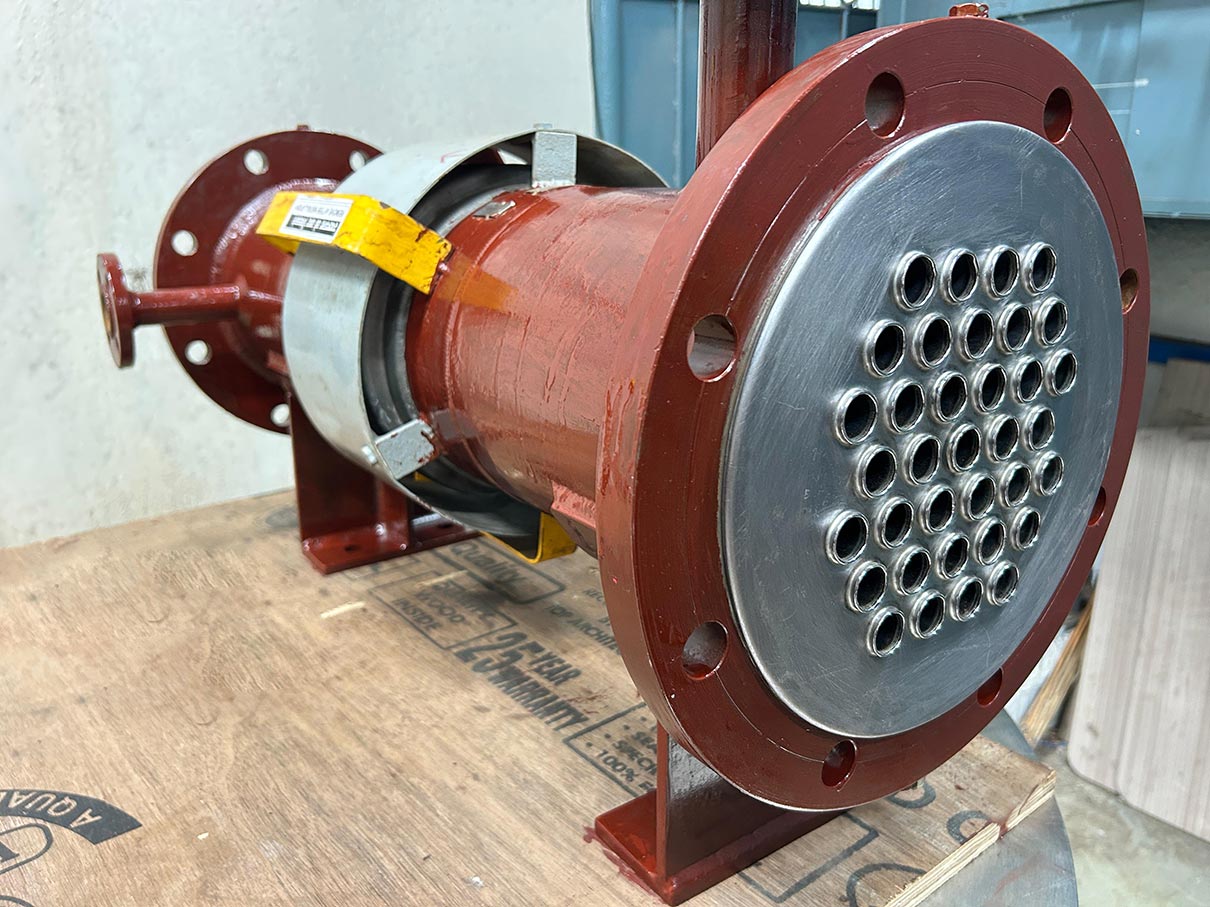
Heat exchangers are critical equipment used in chemical processing, playing a vital role in the safe and efficient operation of bromine plants. Since bromine is corrosive, materials that can withstand harsh environments are required. In these conditions, standard alloys usually fail, requiring expensive maintenance and downtime. Tantalum heat exchangers are unique in this regard. Tantalum heat exchangers are the go-to option for bromine handling systems because of their robustness and halogen re...
Read More

Types of Heat Exchangers: What You Must Know

Heat exchangers are essential devices used across industries to transfer heat between two fluids without mixing them. They play a crucial role in power generation, chemical processing, HVAC systems, oil refineries, and more. Choosing the right industrial heat exchanger depends on factors such as temperature requirements, fluid properties, operating pressure, and space constraints. Below, we explain the major types of heat exchangers, their working principles, design features, and industrial uses...
Read More
en_USEnglish