
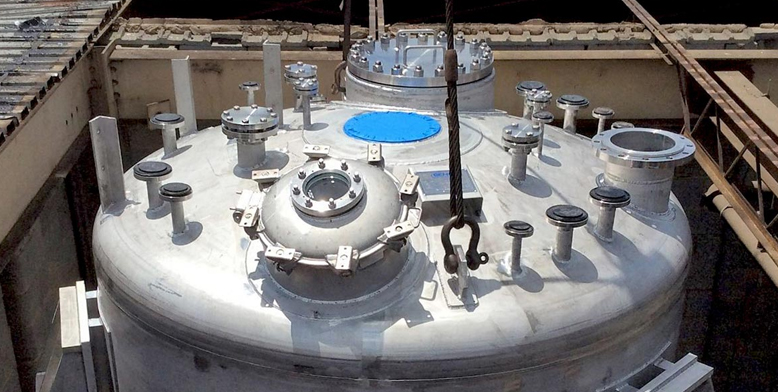
Reactor material selection is one of the most important choices in chemical, petrochemical, oil & gas, and pharmaceutical plants. The wrong choice can cause equipment failure, safety risks, higher maintenance, and unplanned shutdowns. These problems quickly increase operating costs and can even lead to product contamination.
A well-planned approach saves time, money, and lives. The goal of this blog is to guide industries in choosing the right reactor type and material for corrosive environments. We’ll review reactor types, common materials, and practical tips for safe, cost-effective decisions.
Understanding Corrosive Environments
Corrosive environments in chemical processing arise when materials are constantly exposed to harsh substances such as hydrochloric acid (HCl), sulfuric acid (H₂SO₄), strong alkalis like sodium hydroxide (NaOH), solvents, chlorides, seawater, and hot fluids, all of which accelerate corrosion in reactors. Ensuring reactor corrosion resistance is vital as it prevents the degradation of reactor walls, avoids contamination of the end product, enhances reactor life while reducing replacement costs, and ensures worker as well as plant safety. Addressing corrosion risks during the reactor design stage significantly lowers lifecycle costs and guarantees smooth, reliable operations for years.
Types of Reactors Used in Corrosive Environments
Autoclave Reactor
An autoclave reactor is built for high-pressure and high-temperature conditions. These are common in polymerization, chemical synthesis, and hydrothermal reactions. Due to these extreme conditions, high pressure reactor materials like Hastelloy, Titanium, or Zirconium are usually preferred.
Limpet Coil Reactor
A limpet coil reactor uses external coils for heating and cooling. It is frequently utilized in medications, dyes, pigments and resin production. But in highly corrosive applications, materials like Hastelloy or Titanium are a safer choice.
Jacketed Reactor
A jacketed reactor or jacketed vessel is the most common chemical reactor type in the pharma and chemical industries. It provides precise heating or cooling. Stainless steel reactor designs (SS 316, SS 904L) options give a balance of strength and corrosion resistance.
Half Pipe Reactor
Half pipe reactors are designed for large-scale, high-strength processes. Their half-pipe jackets can handle high-pressure heating fluids. Duplex or Super Duplex steels are often used here for their strength and resistance to chlorides. These industrial reactor types are ideal for oil & gas or seawater-based processes.
Materials for Reactors in Corrosive Environments
Titanium Reactor
Titanium reactors are very resistant to chlorides, saltwater, and oxidizing chemicals. Titanium pressure vessels are lightweight and long-lasting, making them popular in marine industries, desalination plants, and chlorine-based chemical processing.
Tantalum Reactor
Tantalum reactors provide good resistance to strong acids such as hydrochloric, nitric, and sulfuric acids. They are costly but ideal as acid resistant reactors in pharmaceuticals and specialty chemical plants.
Hastelloy Reactor
Hastelloy reactors are built to handle both oxidizing and reducing agents. These nickel alloy reactors resist hydrochloric, phosphoric, and sulfuric acids. They are common chemical resistant reactors in large processing facilities where conditions are harsh.
Zirconium Reactor
Zirconium reactors deliver excellent resistance to hydrochloric and sulfuric acids. They also prevent contamination, making them perfect for pharmaceuticals and fine chemical industries where product purity is critical. This acid resistant material ensures both safety and efficiency.
Duplex Stainless Steel Reactor
A duplex stainless steel reactor combines strength with corrosion resistance. It works effectively in chloride-rich environments like seawater and petrochemical industries. This corrosion-resistant steel is a less expensive option than titanium or nickel alloys.
Key Factors in Selecting the Right Reactor Material
- Chemical Compatibility: The most important step in chemical reactor material selection is matching the reactor with the medium it will handle. Acids, alkalis, and solvents attack different materials in different ways. A mismatch can cause fast corrosion, leakage, and unsafe conditions.
- Temperature & Pressure Resistance: High temperature and high pressure put heavy stress on reactors. Some materials lose strength in these conditions, while alloys such as Hastelloy or Titanium maintain stability. Always check the limits before finalizing reactor material.
- Mechanical Strength & Durability: In large plants, reactors must handle heavy loads, vibrations, and constant use. Duplex steel and nickel alloy reactors provide higher tensile strength and toughness. Strong materials also reduce the risk of cracks and mechanical failure.
- Maintenance & Repair Costs: Every shutdown increases operating costs. Some materials, like Zirconium or Titanium, need less repair and last longer. Choosing low-maintenance materials means less downtime, fewer replacements, and smoother production runs.
- Lifecycle Cost Analysis: Upfront cost often misleads buyers into cheaper choices. But the best reactor materials for corrosive environments pay off over time. Considering both initial price and long-term efficiency helps industries save money in the big picture.
These points simplify selecting reactor material for the best results in corrosive environments.
Comparing Reactor Materials
When looking at the best reactor material comparison, each choice has trade-offs. A stainless steel reactor vs a titanium reactor shows a balance of affordability against stronger corrosion resistance. Titanium and Zirconium differ by application Titanium works better in marine conditions, Zirconium in acid-heavy environments. Hastelloy and Tantalum reactors both resist strong chemicals, however cost is a factor. Tantalum is stronger and more expensive.
Industry-Specific Recommendations
Each industry faces unique challenges, making chemical reactor material selection critical:
- Chemical Industry: Reactors in chemical plants often face extreme acids and solvents. Hastelloy, Zirconium, and Titanium reactors offer the best protection against such harsh conditions. They help prevent contamination while ensuring longer reactor life.
- Pharmaceutical Industry: Purity is essential in drug synthesis, therefore reactor materials should not leach or react. Glass-lined reactors are used for sensitive procedures. Tantalum reactors withstand stronger acids. These choices ensure safety and product quality.
- Oil & Gas: This industry frequently deals with chloride-rich fluids, seawater and high pressures. Duplex, Super Duplex, and nickel alloy reactors provide higher strength and corrosion resistance. Their longevity lowers maintenance costs in offshore and refinery applications.
- Food & Beverage: Hygiene and safety are paramount in this sector. Stainless steel reactors are extensively used because they are easy to clean and resist mild acids. Titanium reactors are also chosen for processing salty or acidic ingredients.
Pharmaceutical reactor materials or oil and gas reactor materials should always be matched to their specific process needs.
Future Trends in Reactor Materials
The future of reactor materials is shifting toward composites and smart coatings that reduce corrosion. Nanotechnology-based surface treatments are improving service life. At the same time, industries want sustainable reactor design solutions, that use eco-friendly and recyclable materials.
Reactor Material Selection Guide: Summary & Recommendations
This reactor material selection guide highlights the significance of matching each reactor type to the appropriate material. Autoclave reactors work well with Hastelloy and Titanium, whereas limpet coil and jacketed reactors frequently use stainless steel. Half pipe reactors typically use Duplex steels for added strength and chloride resistance. Each material has various advantages such as being lightweight and chloride resistant; Tantalum gives great acid resistance but at a higher cost; Hastelloy and Zirconium balance corrosion resistance with affordability; and Duplex steel provides strength and cost-effectiveness. When choosing, always match the reactor type with the corrosive medium, balance performance with cost, and follow ASME, ASTM, and ISO standards to ensure safety and long-term reliability.
The best reactor materials for corrosive environments ensure efficiency, safety, and long-term cost savings.



 English