
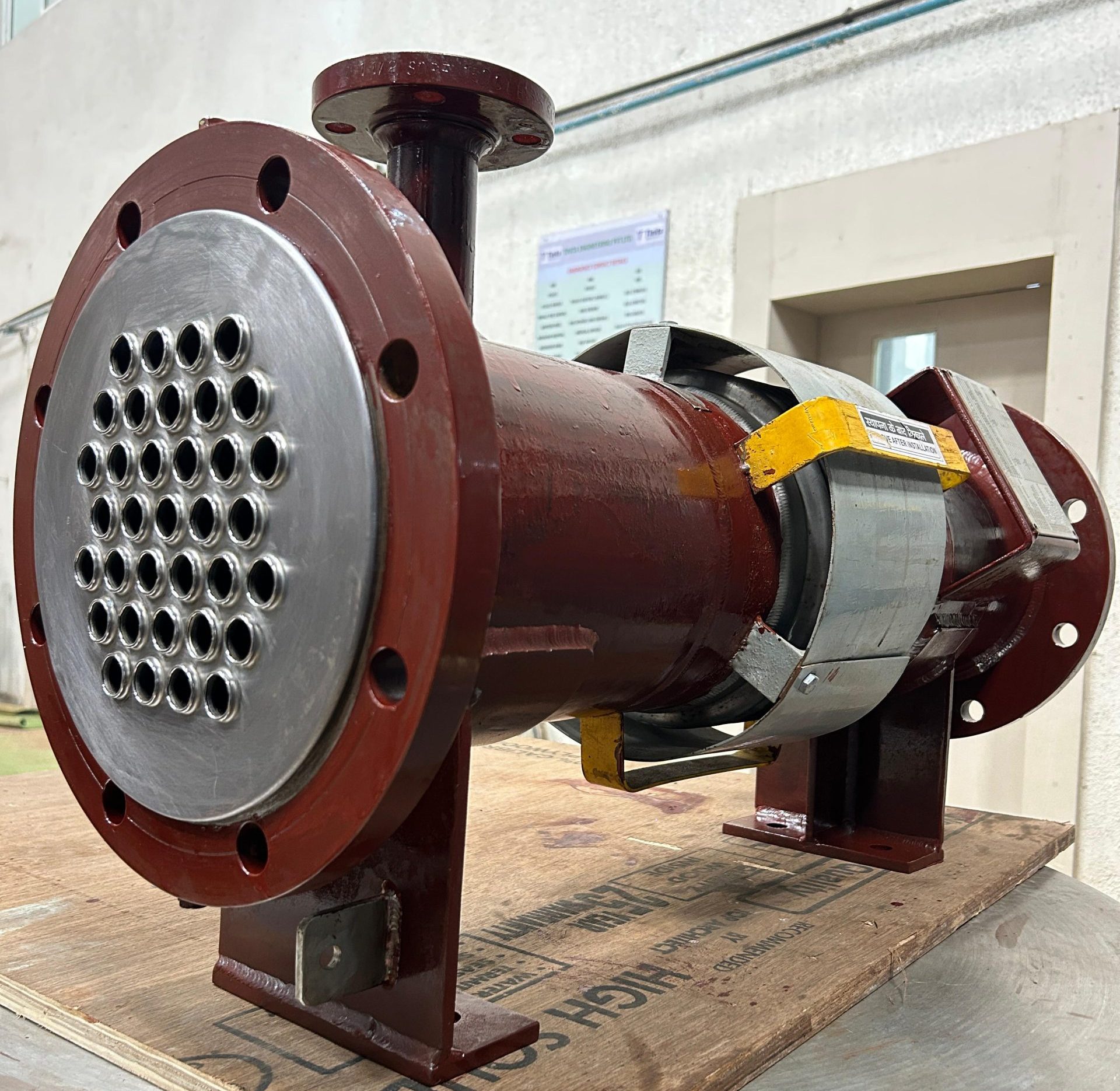
Tantalum heat exchangers play an important role in acid pickling systems that deal with highly corrosive media like hydrochloric acid (HCl) and sulfuric acid (H₂SO₄). Tinita Engineering Pvt. Ltd. manufactures these high-performance heat exchangers for acid picking for environments where regular metals don’t perform well. Due to its excellent corrosion resistance and thermal stability tantalum heat exchangers deliver long service life and efficient performance in demanding industries. These high temperature pickling heat exchangers perform reliably even under extreme thermal and chemical stress.
What Is Acid Pickling and Why It Needs Corrosion-Proof Equipment
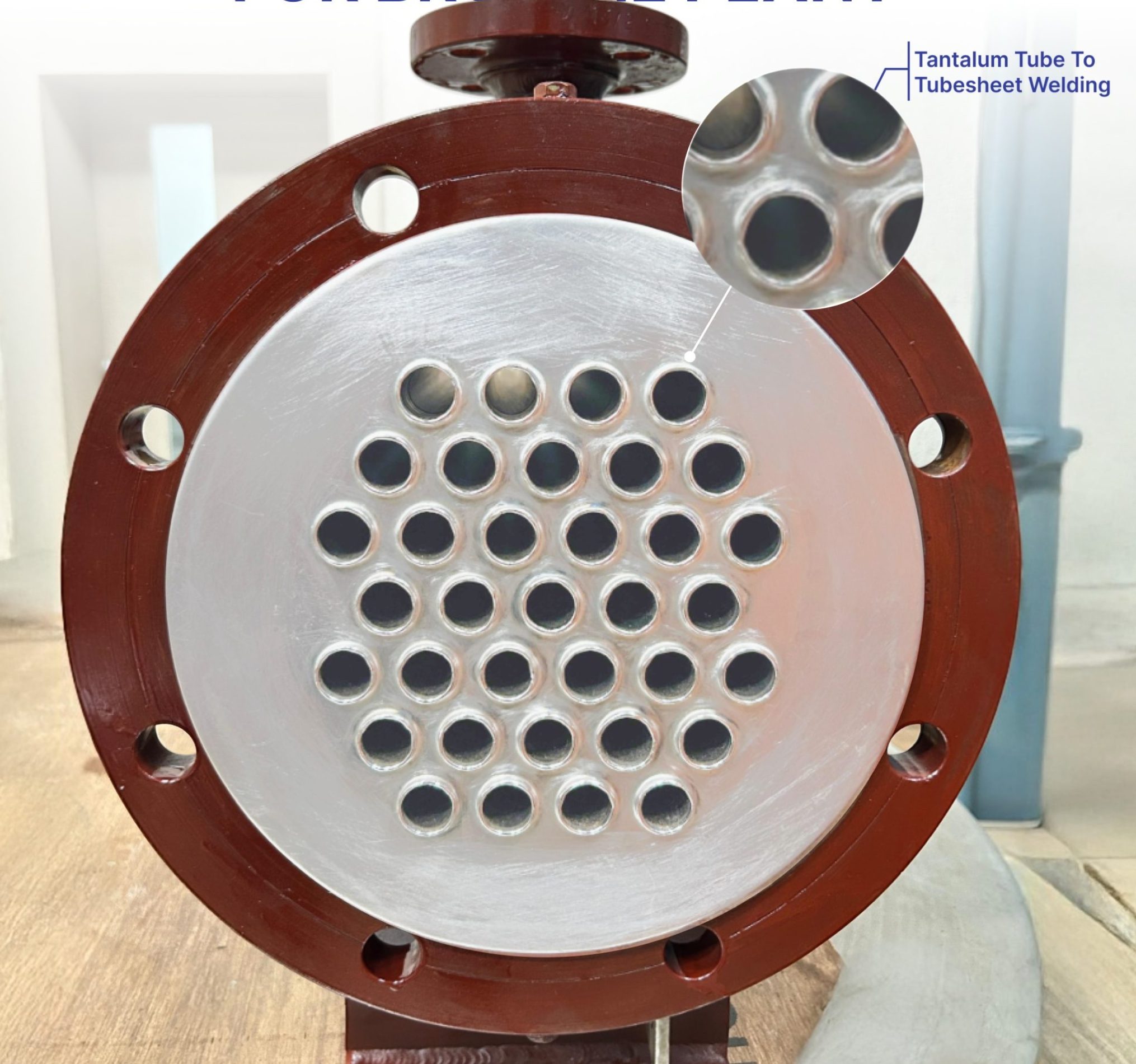
Acid pickling removes rust, oxides, and leftover impurities from the surface of steel and metal components. Before shaping, coating or using metal, factories often clean it in baths of hydrochloric and sulfuric acid. These acids are strong and perform well when heated but they also corrode regular steel and fittings. Working with hot acids means the equipment is constantly exposed to chemicals and high temperatures. Under such harsh environments corrosion-resistant heat exchangers perform efficiently, while weak materials can easily corrode, leak, lead to expensive downtimes, and pose safety hazards.
Tantalum – The Ultimate Material for Acid Pickling Systems
Tantalum is a rare metal that exhibits exceptional corrosion resistance against most acids including hydrochloric acid and sulphuric acid. It forms a thin oxide layer on its surface that protects it from damage even in boiling acids at high temperature. Tantalum’s high melting point of 3017°C and excellent mechanical strength at elevated temperatures ensures extended service life, minimal maintenance and long-term cost savings for industries dealing with harsh chemical environments.
How Tantalum Heat Exchangers Work
Working Principle: A tantalum heat exchanger transfers heat from one process fluid to another. This usually includes an aggressive acid solution and a second heating or cooling medium. The process involves getting the heat to flow through the system quickly while keeping the corrosive acid completely separate from the other metal parts. As tantalum is very resistant to corrosion and supports a leak-tight design even strong acids like HCl and H₂SO₄ dont damage the internal surfaces. This heat transfer efficiency leads to safe system operation and durability for long periods of time.
There are many designs that work for different process needs. The shell-and-tube design is the most common. In this design, tantalum tubes carry one fluid while another fluid passes through the shell to heat or cool it. Block-type exchangers use tantalum plates stacked on top of each other to create a large surface area and a small structure that allows for efficient heat transfer in a small space. Tantalum-clad exchangers have a strong base metal like steel, and a tantalum lining that protects against acid attacks. Every design makes sure efficient thermal performance and corrosion protection.
In steel pickling plants, tantalum heat exchangers regulate the temperature of acid baths to maintain high cleaning efficiency. It recovers and reuses heat from spent acid in acid recovery systems. This reduces energy use and operating costs. It safely heats or cools highly concentrated acids in chemical and pharmaceutical plants without getting the product dirty. Its ability to control temperature very precisely and resist corrosion helps keep the process stable and the product high quality.
Applications in Steel and Chemical Industries
Tantalum heat exchangers are key components in several industries where acid corrosion is a challenge.
- Steel Pickling Plants: These exchangers maintain the temperature of the hydrochloric and sulfuric acid baths used to get rid of rust and scale. As it is resistant to corrosion it is durable even when it is constantly exposed to hot acids.
- Chemical Manufacturing Units: Tantalum exchangers are safe to use with strong acid mixtures in systems for recovering and concentrating acids.It keeps chemicals clean and stops metals from getting into the process of making high-quality chemicals.
- HCl Gas Generation Plants: In these plants, dry HCl gas is produced by reacting hydrochloric and sulphuric acids. Tantalum process equipment manages the heat transfer during the process ensuring reliability and safety.
- Pharmaceutical & Fine Chemical Industries: These industries need tools that can handle concentrated acids during purification or synthesis. Tantalum exchangers work reliably and stop cross-contamination.
Benefits of Using Tantalum Heat Exchangers
Switching to tantalum heat exchangers offers significant advantages:
- Exceptional resistance to strong acids and chlorides: Tantalum can handle different amounts of hydrochloric and sulfuric acids even under extreme temperature and pressure.
- Long operational life with minimal corrosion and maintenance: Less wear means fewer replacements, less downtime and lower costs in the long run.
- Excellent thermal conductivity keeps performance steady: Heat moves quickly and evenly, improving process control and efficiency.
- Suitable for high-temperature, high-pressure acidic environments: Tantalum doesn’t break down or react which keeps workers and systems safe.
These heat exchangers offer longevity, so operators can focus on production instead of repairs. This makes tantalum equipment a good choice for tough conditions.
Maintenance & Safety Practices
Keeping tantalum heat exchangers running smoothly means sticking to good habits:
- Inspect for scale or buildup often and clean any deposits found.
- Flush and clean exchangers using proper procedures after each run.
- Monitor temperature and pressure carefully to avoid unsafe levels. Train workers to handle acids safely—use gloves, goggles, and follow instructions at all times.
- Good maintenance and safety steps lead to reliable service and protected workers.
Conclusion
Tantalum heat exchangers are essential for safe and efficient operation in hydrochloric and sulphuric acid pickling systems. It is perfect for the steel, chemical, and pharmaceutical industries because it is the most resistant to corrosion, lasts the longest, and is the most reliable. By choosing tantalum, industries can be sure that their products will last a long time and cost less to maintain even in the toughest working conditions.
For customized Tantalum Heat Exchangers engineered for acid pickling and chemical applications, contact our technical team today. Leverage our deep expertise in designing corrosion-resistant, high-precision equipment built for long-term performance.


 English