Heat Exchanger

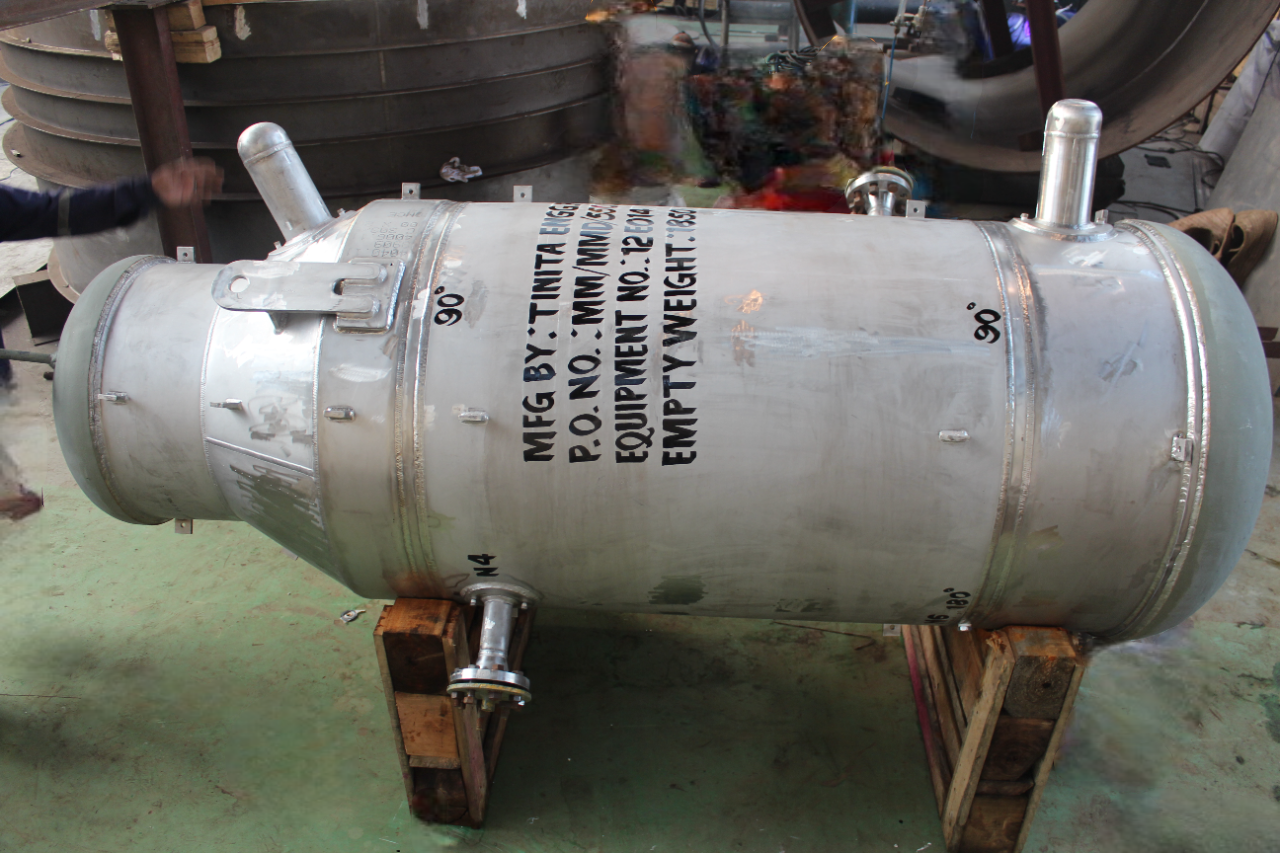
Reactive Metal Heat Exchanger: Materials, Design, Applications & Fabrication

In demanding chemical and process industries, heat exchanger performance depends on more than thermal efficiency. Material selection, corrosion resistance, pressure-boundary integrity, fabrication quality and long-term service conditions are equally important. When conventional carbon steel or stainless steel construction is not adequate for the process environment, engineers may evaluate specialized materials such as Titanium, Zirconium, Tantalum and Nickel Alloys. Heat exchangers manufactured...
Read More

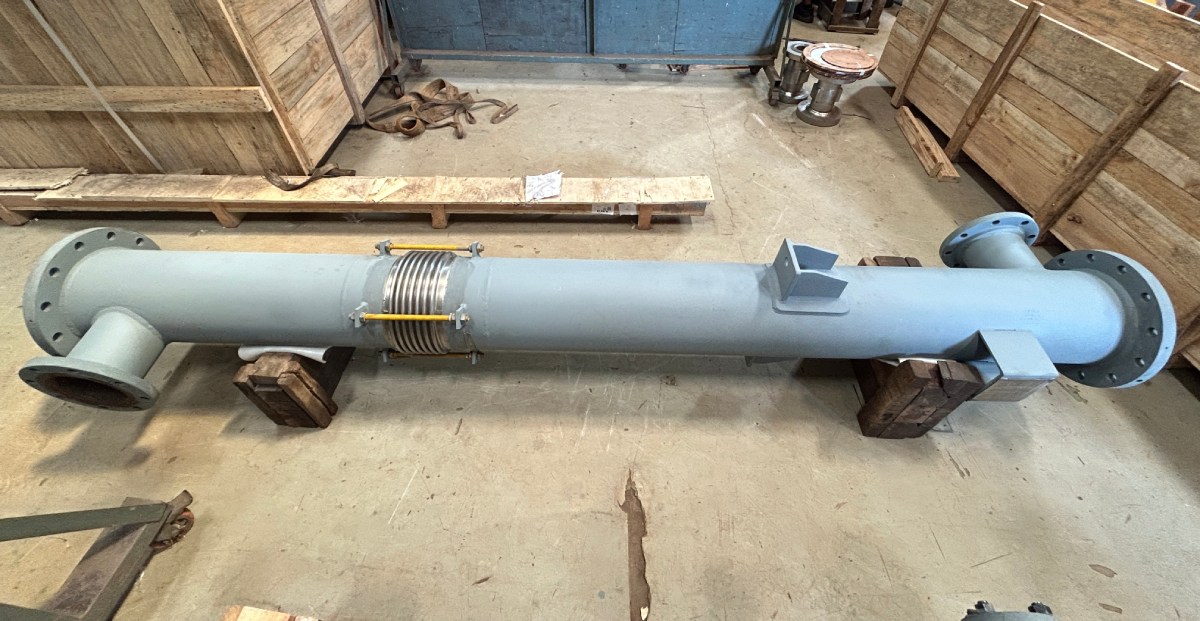
Expansion Joint in Heat Exchanger: Types, Applications & Benefits

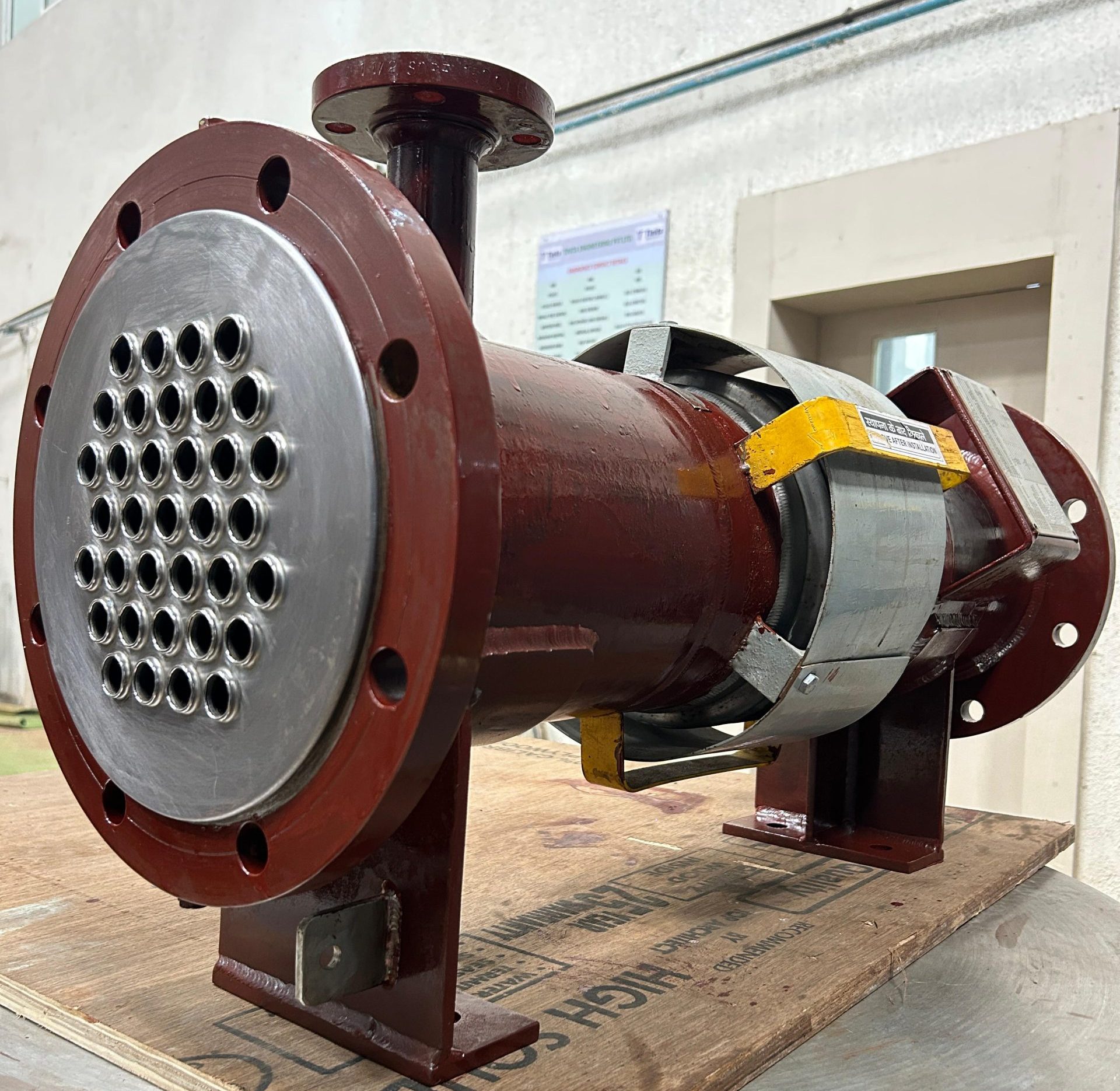
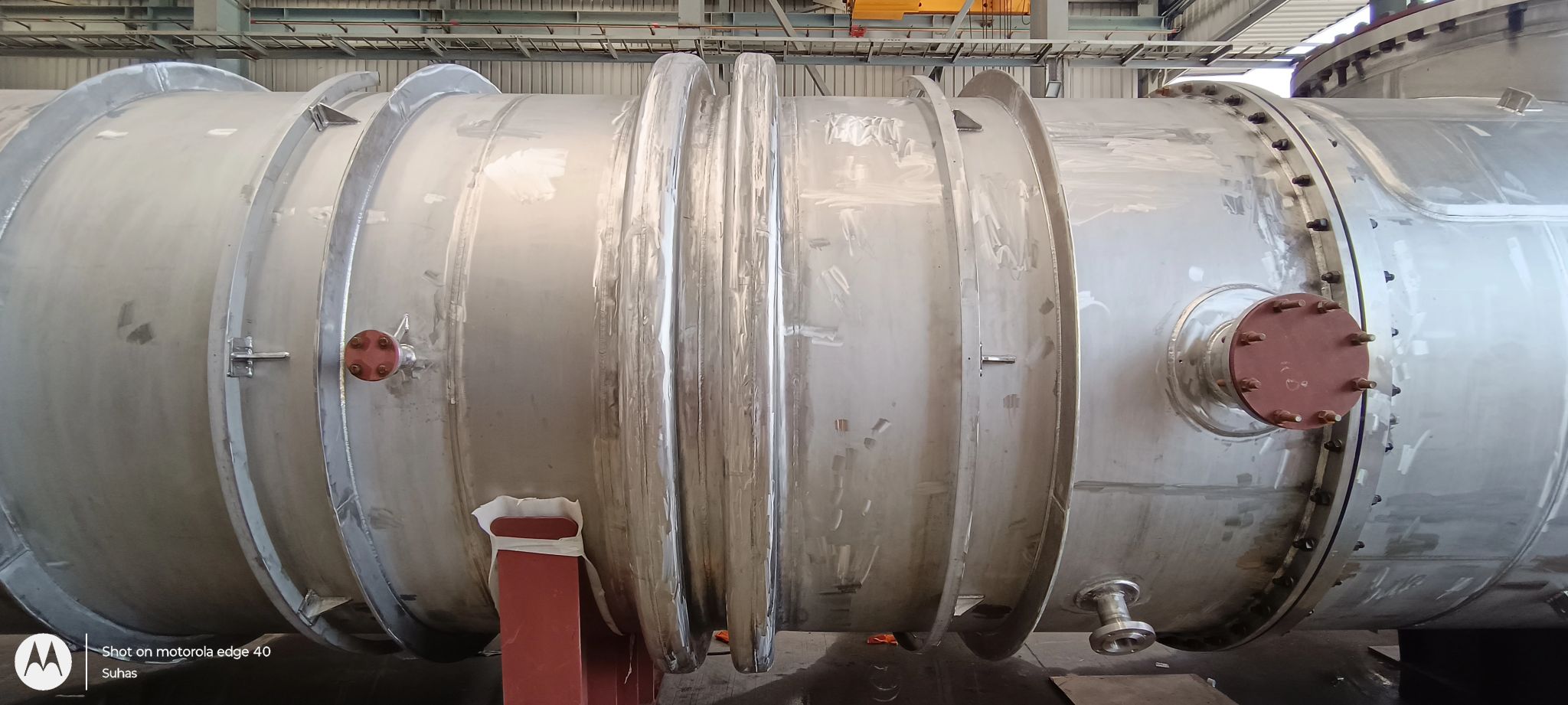
What Is an Expansion Joint in a Heat Exchanger? An expansion joint in heat exchanger is a flexible component designed to accommodate movement caused by thermal expansion and contraction. When a heat exchanger operates, its shell, tubes, tube sheets and other components may experience different temperature changes. Because different materials and components can expand at different rates, the resulting movement can create stresses that need to be considered during mechanical design. An expansion j...
Read More

Pickling Heat Exchanger Manufacturers in India for Corrosive Environments

Pickling heat exchangers are specialised thermal management systems designed to handle the aggressive conditions of metal surface treatment. These units are typically shell-and-tube or plate-and-frame designs constructed from highly corrosion-resistant materials such as Hastelloy, titanium, or graphite. Pickling is an important step in steel production, metal processing, and chemical manufacturing industries, to remove impurities and oxides from metal surfaces. These heat exchangers are importan...
Read More

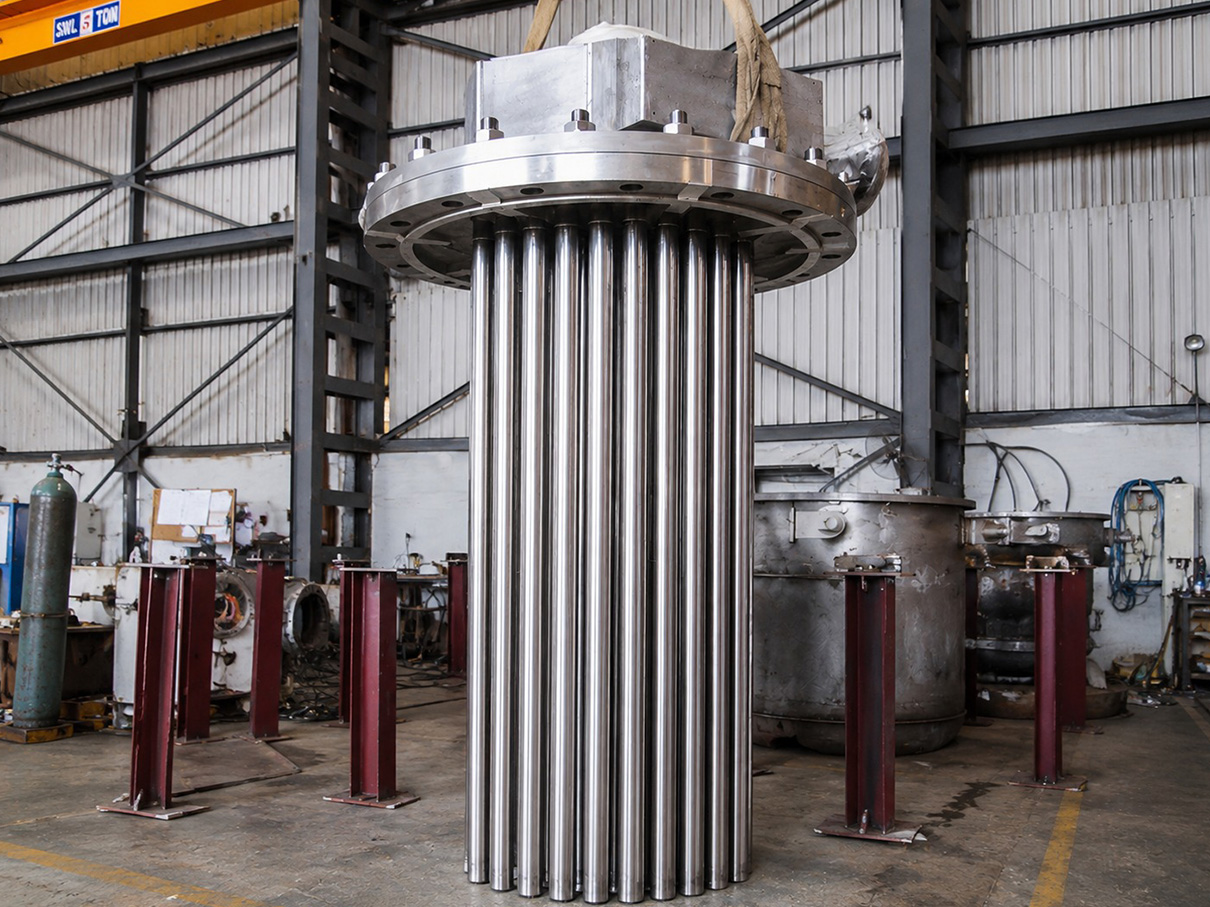
 Tantalum Bayonet Heater for Nitric Acid Plant

Nitric acid plants operate under highly corrosive conditions. Strong oxidising acids attack most common metals and reduce equipment life. The heating systems used in these plants must withstand high temperatures and severe chemical reactions without fail. Tantalum bayonet heaters for nitric acid plants provide a reliable heating solution for such demanding environments. Tantalum metal has excellent resistance to nitric acid, even at high concentrations and temperatures. Due to this property, man...
Read More

Tantalum bayonet heat exchanger for sulphuric acid plant

Tantalum bayonet heat exchangers are designed for sulphuric acid plants where heat and corrosion operate together. These units transfer heat through a sealed bayonet tube design, keeping process fluids contained and stable. In acid plants, high temperatures and strong acids can damage most metals and reduce plant uptime. Tantalum resists acid attack and holds strength, which makes it suitable for heaters, reboilers, and evaporators in concentration units. The system supports steady heat transfer...
Read More

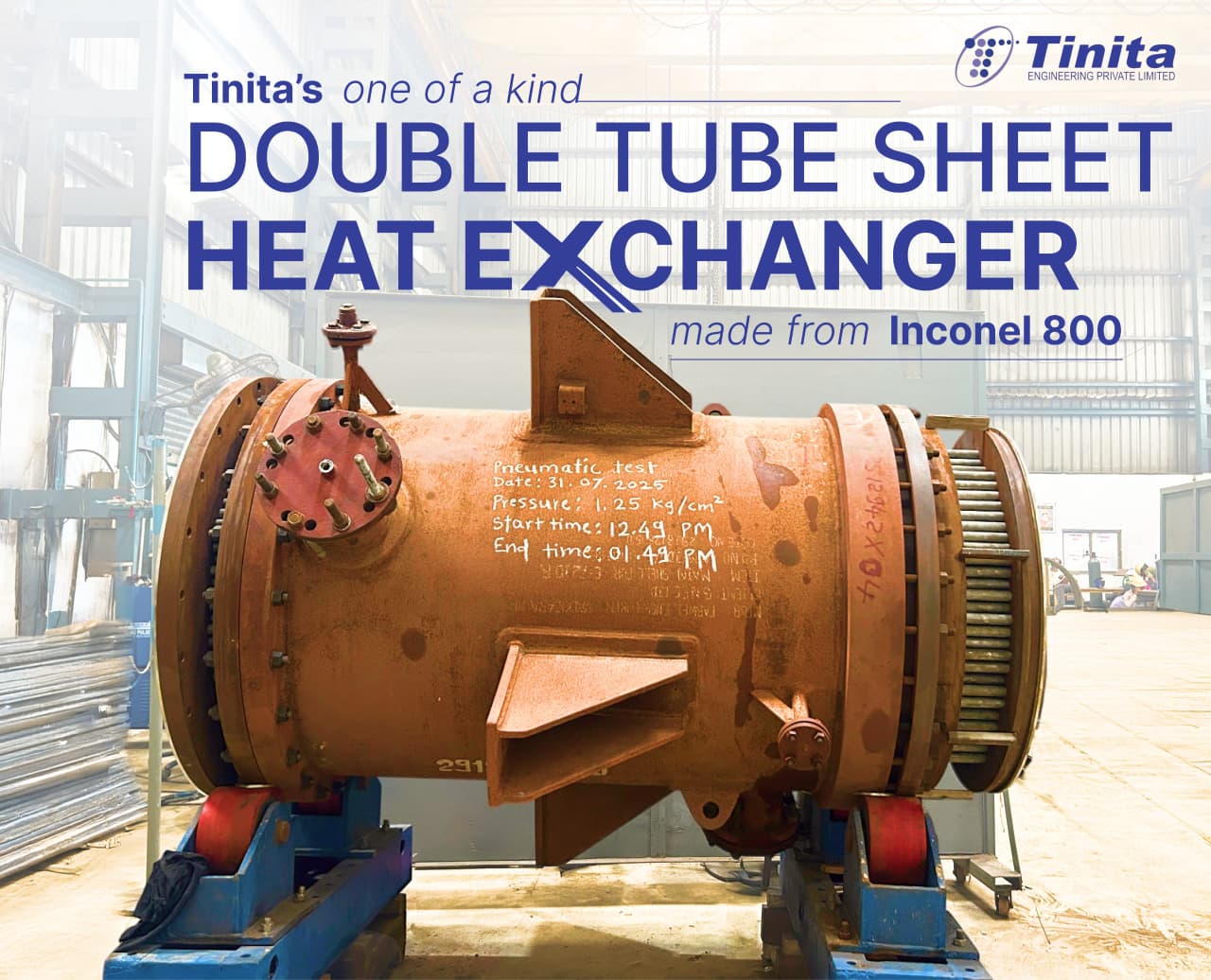
Inconel Double Tube Sheet Heat Exchanger for TAR Concentrator of TDI Plant

Toluene Diisocyanate (TDI) production requires specialised equipment that can withstand high temperatures, strong chemical reactions and highly corrosive process streams. The TAR concentrator unit is an essential element in this process, as it processes heavy residues under harsh conditions that can quickly damage standard equipment. An Inconel Double Tube Sheet Heat Exchanger is extensively used for safe and reliable performance, as it is resistant to oxidation, corrosion, and stress cracking a...
Read More

2RE10 BFW Preheater Heat Exchanger for Weak Nitric Acid (WNA) Plants

In modern nitric acid and fertiliser plants, the Boiler Feed Water (BFW) preheater helps in energy performance and steam cycle efficiency. It is a critical heat recovery component that captures high-temperature waste heat from ammonia oxidation gases and transfers it to the BFW. This reduces fuel demand and stabilises steam generation. The 2RE10 heat exchanger is specifically engineered for this application, combining efficient thermal design with the high corrosion resistance required for Weak...
Read More

Zirconium U-Tube Heat Exchanger for Sulphuric Acid – Feed Cracker Unit

Sulfuric acid (H2SO4) is one of the most widely used industrial chemicals found in fertiliser production, metal refining, and chemical synthesis. The environments containing this acid are very aggressive and difficult to handle. Heat exchangers in such environments need materials that can stay stable and unreactive to corrosion, wear, and oxidation. This is when zirconium comes into consideration. Where other materials fail, zirconium forms a self-healing layer to protect itself from oxidation a...
Read More

Hastelloy Heat Exchanger for 30 KTPA Chloro Toluenes (CTS) Plant

One of the most corrosive chemical environments has a 30 KTPA Chloro Toluenes (CTS) plant. The process includes chlorination at high temperatures and constant exposure to wet chlorine, hydrochloric acid, and reactive organic chlorides. These conditions put a lot of strain on equipment that moves heat. Chlorides can cause pitting, crevice attack, and stress corrosion cracking, which can cause standard stainless steels to break down early. This is where a Hastelloy heat exchanger for CTS plant ope...
Read More

Tantalum Heat Exchangers for Hydrochloric & Sulphuric Acid Pickling Applications

Tantalum heat exchangers play an important role in acid pickling systems that deal with highly corrosive media like hydrochloric acid (HCl) and sulfuric acid (H₂SO₄). Tinita Engineering Pvt. Ltd. manufactures these high-performance heat exchangers for acid picking for environments where regular metals don’t perform well. Due to its excellent corrosion resistance and thermal stability tantalum heat exchangers deliver long service life and efficient performance in demanding industries. T...
Read More
en_USEnglish