
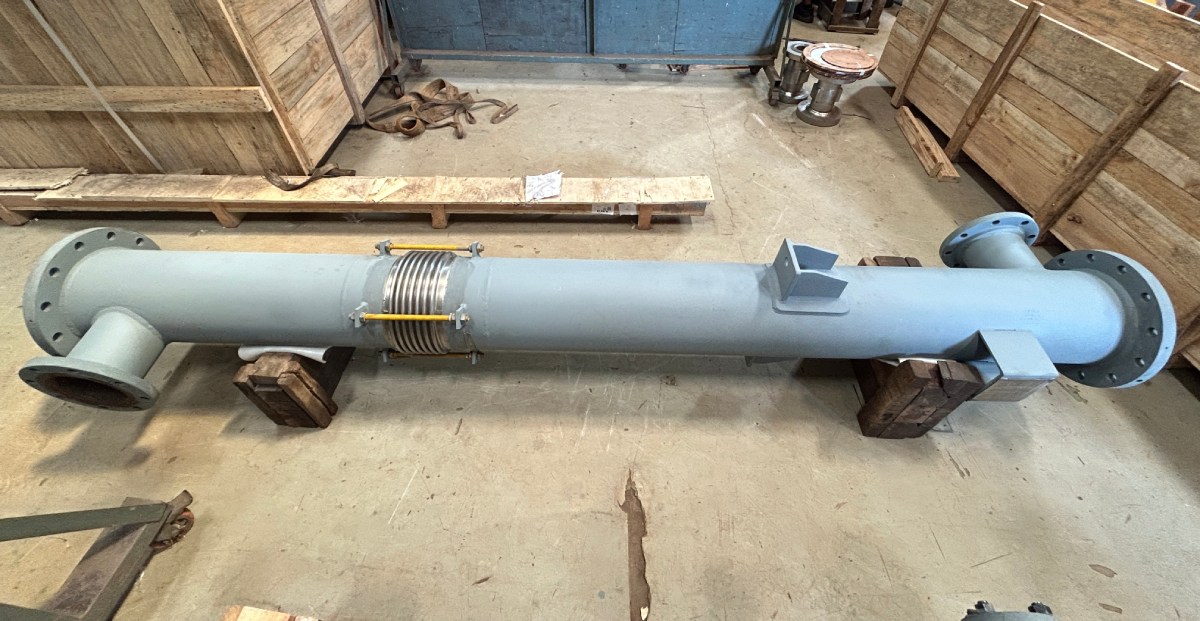
Pickling heat exchangers are specialised thermal management systems designed to handle the aggressive conditions of metal surface treatment. These units are typically shell-and-tube or plate-and-frame designs constructed from highly corrosion-resistant materials such as Hastelloy, titanium, or graphite. Pickling is an important step in steel production, metal processing, and chemical manufacturing industries, to remove impurities and oxides from metal surfaces. These heat exchangers are important equipment in high-temperature corrosive baths containing aggressive acids like HCl, H2SO4, and HF, where temperature control directly impacts process efficiency and equipment life. As these acids quickly degrade standard metals, choosing the right equipment is important for operational lifespan. As a leading pickling heat exchanger manufacturer and supplier, at Tinita, we deliver systems that endure these extreme chemical environments. Modern industry standards are now defined by the use of Tantalum, fluoropolymers, and specialised graphite to prevent frequent leaks and equipment failure.
Reactive Metals
To withstand the aggressive chemistry of pickling baths, the use of reactive metals is often non-negotiable. These materials offer a level of longevity that standard stainless steel cannot match.
- Tantalum: Tantalum is the preferred choice for high-temperature Hydrochloric (HCl) and Sulfuric (H2SO4) acids. It offers near-total immunity to chemical attack. This metal can perform exceptionally well at temperatures up to 200 oC.
- Zirconium: Very effective for sulphuric acid processes, as long as there are no fluorides in the environment. Zirconium parts work well at temperatures up to about 150–180 °C when they are pickled in a controlled manner.
- Nickel Alloys & Duplex Steel: Nickel alloys and duplex steel are used due to their high strength and resistance to pitting in less aggressive or chloride-rich environments. These materials are suitable for moderate temperature ranges, between 60-120 °C, depending on the alloy grade and acid composition. To keep metal loss to a minimum, inhibitor must be controlled carefully.
- Clad Metal Solutions: For a cost-effective approach, we offer explosion-bonded cladding, which provides a reactive metal interior surface backed by a heavy-duty carbon steel shell. The service temperature is primarily determined by the cladding material itself, but in most pickling applications, clad systems are designed to perform effectively in the range of ambient to ~150 °C.
| Material Type | Key Properties | Best Use Case | Limitations / Considerations |
| Tantalum | Near-total resistance to chemical attack; excellent corrosion resistance at high temperatures | High-temperature Hydrochloric (HCl) and Sulfuric (H₂SO₄) acid environments | High cost; used only where extreme resistance is required |
| Zirconium | Outstanding corrosion resistance, especially in sulfuric acid | Sulfuric acid pickling processes | Not suitable in environments containing fluorides |
| Nickel Alloys & Duplex Steel | High mechanical strength; good resistance to pitting and corrosion | Less aggressive or chloride-rich environments | Lower resistance compared to reactive metals |
| Clad Metal Solutions | Combines corrosion-resistant inner layer with structural strength of carbon steel; cost-efficient | Used where cost control is important while maintaining corrosion resistance | Performance depends on cladding quality; not as robust as solid reactive metals |
Shell & Tube Pickling Heat Exchangers
The shell-and-tube configuration is the industry standard for pickling due to its versatility and ability to handle high-pressure differentials. At Tinita, our shell-and-tube units are custom-engineered for high thermal efficiency while being easy to maintain. We offer various designs, including fixed tubesheet, floating tubesheet, and U-tube configurations, depending on the thermal expansion requirements of the process. Utilising advanced software like HTRI for thermal analysis and PVElite for mechanical design, we ensure that every exchanger is optimised for the specific acid flow rates and temperature requirements of the pickling line. Whether the requirement is for a solid alloy construction or a loose-lined bonnet design, our units are built to ASME and TEMA standards to ensure long-term reliability in the harshest chemical processing environments.
Materials Used in Pickling Heat Exchangers for Corrosive Applications
Choosing the right material is the most important part of the engineering process for corrosive environments. As a reliable pickling heat exchanger manufacturer, we use the following materials for our heat exchangers.
- Titanium and nickel alloys
Titanium is preferred for many chloride-based environments, while Nickel alloys like Hastelloy C-276 are used when both high temperature and high pressure are present.
- Material selection based on acid type
The choice depends on the acid concentration. For example, Zirconium is great for most H2SO4 concentrations, but it is not recommended to use it if Fluorides are present in the mix.
Industries Served by Tinita Engineering Pvt. Ltd.
Our equipment is installed across several sectors that require heavy-duty metal cleaning and chemical handling.
- Steel pickling lines using industrial heat exchangers
This is the primary market for industrial heat exchanger supplier services. Large steel mills use these exchangers to keep their acid tanks at the 70°C to 90°C range required for efficient scale removal.
- Pipe & tube manufacturing plants
Plants producing seamless or welded tubes use pickling to clean the internal and external surfaces. As a reliable pickling heat exchangers supplier, we provide smaller, efficient units for these batch-processing setups.
- Chemical processing industries
Beyond metal cleaning, these exchangers are used in the production and recycling of industrial acids, where heat must be removed or added during the reaction.
- Wire and galvanising industries
Before the wire can be coated or galvanised, it has to be perfectly clean. Our pickling heat exchangers ensure the acid baths remain at a constant temperature for uniform cleaning.
- EPC contractors and industrial plant builders
We work directly with engineering firms to provide the heat exchange components for entire new plant builds, ensuring the thermal calculations meet the project specifications.
Tinita as a Leading Pickling Heat Exchangers Supplier
Tinita Engineering Pvt. Ltd. is a leading manufacturer of corrosion-resistant pickling heat exchanger manufacturer with expertise in exotic metal fabrication and global project execution. We manage the entire process from design and thermal calculation to final fabrication and testing. Our export capabilities include full logistics support, making sure that heavy graphite or alloy equipment reaches global sites without damage. We maintain competitive pricing by optimising our manufacturing processes, without compromising on the quality of the raw materials, which is the most critical factor in a corrosive environment. Tinita pickling heat exchangers are built to international standards like ASME, ensuring they meet the safety and performance requirements of any industrial facility worldwide.



 English